

VENEER – A KEY MATERIAL IN THE WOOD INDUSTRY
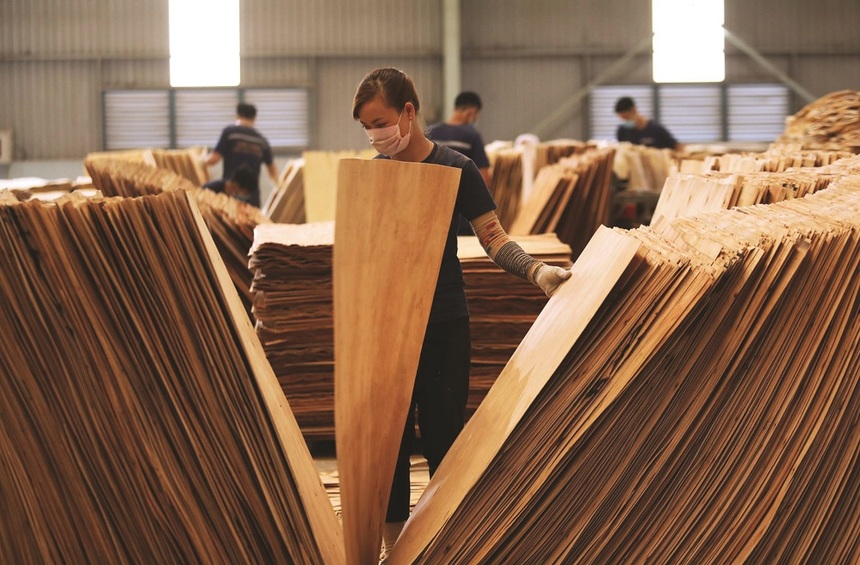
Veneer (also known as rotary-cut veneer, wood veneer, or core veneer) consists of thin sheets of wood peeled from natural logs using specialized rotary peeling machines. After peeling, the veneer is dried and kiln-cured before being used in the production of engineered wood products, plywood, furniture, and construction materials.
Today, veneer is considered one of the most important raw materials in the wood manufacturing industry because it preserves the natural beauty of wood, offers excellent durability, and helps reduce the consumption of solid timber, contributing to the sustainable use of forest resources.
VENEER MANUFACTURING PROCESS
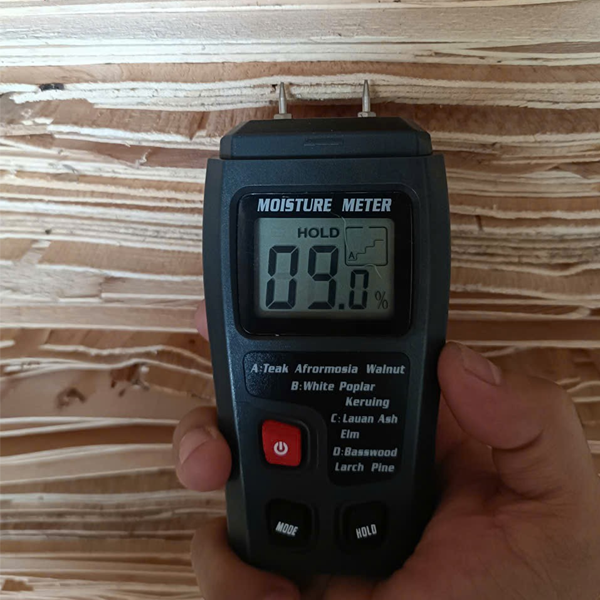
Veneer is produced by peeling natural logs into thin sheets of varying thicknesses to meet different production requirements. After peeling, the veneer is dried, kiln-cured, and graded according to quality standards before being supplied for manufacturing.
The most common production method is rotary peeling, in which the log rotates continuously against a precision knife to produce uniform veneer sheets with consistent thickness and dimensions.
In addition to modern peeling technology, high-quality cutting blades ensure a smooth veneer surface, minimize fiber tearing, and meet international export quality standards.
COMMON TYPES OF VENEER
In Vietnam, veneer is commonly manufactured from a variety of wood species, including:
- Acacia
- Rubberwood
- Eucalyptus
- Pine
- White Cheesewood (Manglietia conifera)
Each wood species has its own unique color, grain pattern, and characteristics, making it suitable for different manufacturing applications.
APPLICATIONS OF VENEER
Veneer is widely used in:
- Plywood manufacturing
- Residential and office furniture
- Construction and interior decoration
- Packaging and wooden pallets
- Handicrafts and wood crafts
Veneer is an efficient alternative to solid wood, helping manufacturers reduce material consumption while promoting sustainable forestry practices.
BENEFITS OF VENEER
- Reduces the use of solid timber
- Helps conserve natural forest resources
- High durability with minimal warping
- Attractive surface with easy processing
- Cost-effective solution
- Suitable for a wide range of applications
With these outstanding advantages, veneer has become an increasingly preferred material for manufacturers and international markets in the wood processing and furniture industries.